Desire Paths
I worked at Amazon for ~8 years working on Search, Personalization, and Recommendations. I spent most of my career developing services, datasets, and models centered around customer, product, and intent understanding. In 2020, I designed, developed, and delivered one simple recommender, 'Keep Shopping For', that quickly became the top performing widget across many pages on Amazon. While we built numerous recommenders for complementary products and broader shopping intents, it always surprised me just how strong the customer need was for being able to easily pick up where they left off. For years, it nearly outperformed virtually all other recommenders to the point where we needed to rethink ranking algorithms for better discovery.
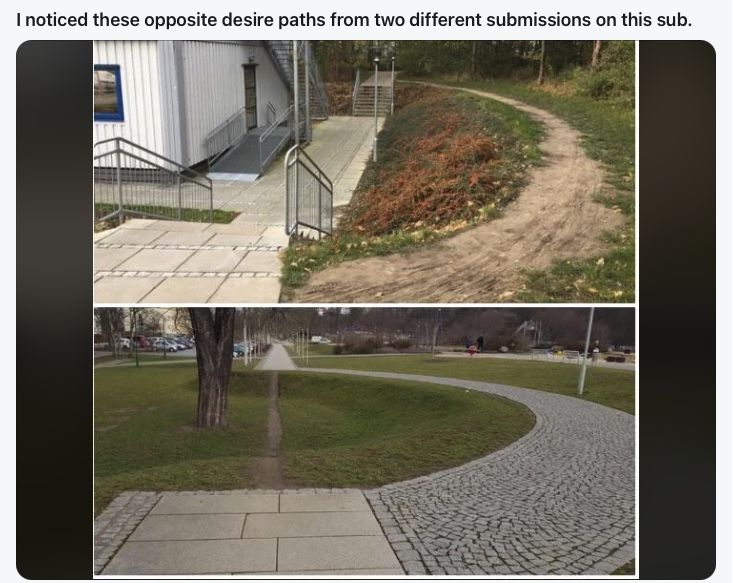
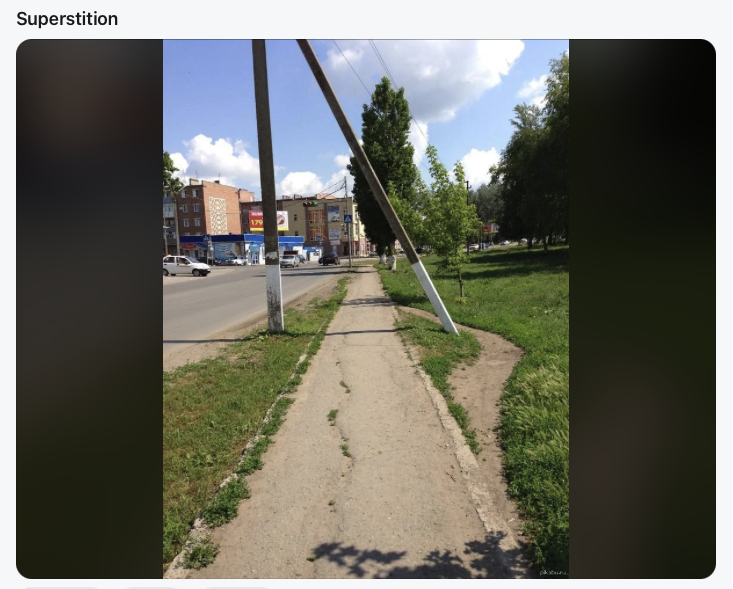
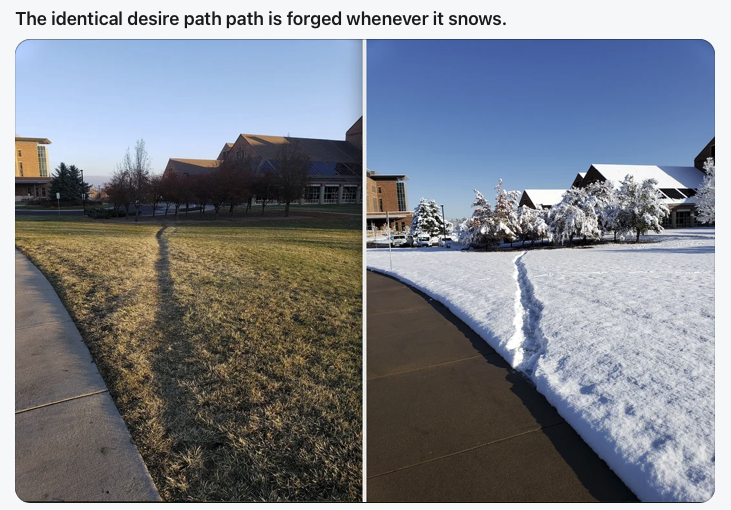
One analogy always stuck with me: Desire Paths. Desire paths are a phenomenon where humans design pathways differently than how other humans (and/or animals) want to go from point A to point B. As a result, they'll walk on the grass and eventually a desire path forms.
However, software and user interfaces are trickier because users often cannot carve alternative paths. Even if they do, it's very difficult for you as a developer to see how or where those paths are being formed.
I believe more engineers should design their systems in ways that allow the users new ways of navigating through data, especially as we navigate this age of infinite content. My goal with Bayou is to create a human-centric way of traveling through that space optimizing for fulfillment and satisfaction. In my eyes, Bayou is less like a social platform and more like a new protocol. It's a new way to connect.